
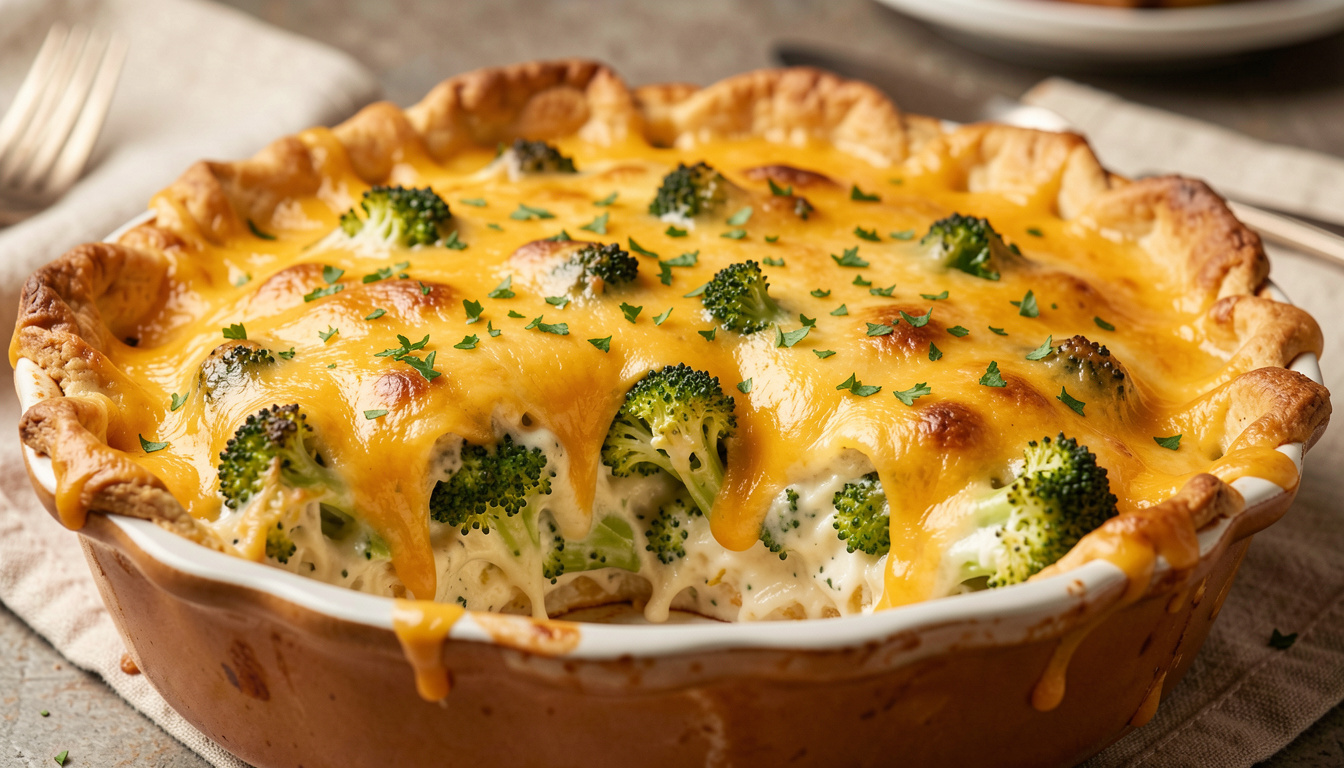
Dubliner cheese is a hard Irish cheese loved worldwide for its nutty, sweet, and slightly sharp taste. It is made from cow’s milk and ages for 12–24 months, giving it a unique texture. Perfect on sandwiches, crackers, or melted in dishes, Dubliner cheese adds flavor to everyday meals. Many cheese lovers describe it as a cross between cheddar and Parmigiano, making it versatile in cooking and snacking. In this article, we’ll explore its history, uses, recipes, and nutrition, giving you everything you need to enjoy Dubliner cheese fully.
Table of Contents
What Is Dubliner Cheese?
Dubliner cheese is a semi-hard Irish cheese made from cow’s milk. It is produced in County Cork, Ireland, and first created in the 1990s. Its taste combines sweetness with a sharp finish, making it ideal for snacking, melting, or cooking. Dubliner cheese has a crumbly texture but becomes creamier when melted. Unlike cheddar, it is sweeter and nuttier, giving dishes an interesting flavor twist. It is often sold in blocks or slices and pairs well with fruits, nuts, and wine
History of Dubliner Cheese
Dubliner cheese was created by the Irish Dairy Board in the 1990s. Its goal was to craft a cheese that could compete with international favorites like cheddar and Gouda. The name “Dubliner” celebrates Ireland’s capital, Dublin, and showcases Irish cheese-making tradition. Although relatively young compared to classic cheeses, Dubliner has gained international recognition for its taste and versatility. It is now exported globally and featured in many restaurants, proving that a modern Irish cheese can become world-famous.
How Dubliner Cheese Is Made
Dubliner cheese is made using high-quality cow’s milk. The milk is pasteurized, curdled, and pressed into molds. It is then aged for 12–24 months, which develops its sweet and sharp flavors. During aging, small crystals form in the cheese, giving it a slightly crunchy texture. The natural aging process enhances the nutty taste, making it ideal for slicing, grating, or melting. Unlike processed cheese, Dubliner retains its real dairy flavor and rich aroma.
Taste and Texture
Dubliner cheese has a unique taste that balances sweet, nutty, and sharp flavors. It is firm and crumbly when sliced but melts smoothly when heated. Its slightly granular texture comes from natural crystals formed during aging. Many chefs love Dubliner cheese because it adds depth to dishes without overpowering them. From salads to pasta, the cheese enhances flavor while offering a satisfying bite.
Culinary Uses of Dubliner Cheese
Dubliner cheese is versatile in cooking. It can be sliced for sandwiches, grated over pasta, or melted on burgers. It also pairs well with fruits like apples or pears and nuts such as almonds and walnuts. Some people use it in cheese boards alongside wines like Chardonnay or Pinot Noir. It is even popular in baked recipes like quiches or casseroles. Its balance of sweetness and sharpness makes it suitable for both sweet and savory dishes.
Nutritional Facts
Dubliner cheese is high in protein and calcium, making it a healthy option in moderation. One ounce (28g) contains about 110 calories, 9g of fat, 7g of protein, and essential vitamins like A and B12. It supports bone health and provides energy. However, because it is rich in fat and sodium, it’s best enjoyed in balanced portions. For a healthy snack, pair Dubliner cheese with fruits, vegetables, or whole-grain crackers.
How to Store Dubliner Cheese
To keep Dubliner cheese fresh, store it in the refrigerator wrapped in wax paper or a cheese bag. Avoid airtight plastic, which can trap moisture and affect flavor. Once opened, it usually lasts 2–3 weeks. For longer storage, you can freeze grated Dubliner cheese, but slicing before freezing is recommended. Proper storage ensures its taste and texture remain perfect for cooking or snacking.
Recipes Using Dubliner Cheese
- Dubliner Mac and Cheese – Add grated Dubliner for a sweet, nutty twist.
- Cheese and Fruit Platter – Pair with grapes, apples, or pears.
- Grilled Cheese Sandwich – Use Dubliner slices for a rich flavor.
- Baked Cheese Balls – Mix with herbs and breadcrumbs, then bake.
- Salads – Crumble Dubliner on top of green salads for crunch.
Pairing Dubliner Cheese
Dubliner cheese pairs beautifully with fruits, nuts, wines, and breads. Apple slices, grapes, or figs highlight its sweetness. Almonds and walnuts enhance its nutty flavor. Wines like Chardonnay, Pinot Noir, or Sauvignon Blanc complement Dubliner’s taste. For bread, try whole-grain crackers, sourdough, or rye to create a balanced cheese experience.
Popular Brands
- Carbery Dubliner – Original and widely exported.
- Dubliner Vintage – Aged longer for a sharper taste.
- Organic Dubliner – Made with organic milk for healthier options.
FAQs
1. Is Dubliner cheese similar to cheddar?
Yes, but it is sweeter and nuttier than cheddar with a slightly crunchy texture.
2. Can Dubliner cheese be melted?
Absolutely! It melts well for sandwiches, pasta, or casseroles.
3. Is Dubliner cheese healthy?
It is high in protein and calcium, but enjoy it in moderation due to fat and sodium content.
4. How long does Dubliner cheese last?
Stored in the fridge, it lasts 2–3 weeks. Grated cheese can be frozen.
5. Can I use Dubliner cheese in desserts?
Yes, its sweet flavor pairs nicely with fruit or baked goods.
6. Where is Dubliner cheese made?
It is made in County Cork, Ireland, and exported worldwide.
Conclusion
Dubliner cheese is a versatile, flavorful Irish cheese perfect for snacking, cooking, or entertaining. Its unique sweet and nutty taste makes it loved by cheese enthusiasts worldwide. Try it in sandwiches, salads, or even desserts for a delightful twist. Share it with friends or pair it with wine and fruits to enjoy a true taste of Ireland. Whether you are a home cook or a cheese lover, Dubliner cheese is a must-try for every cheese board.