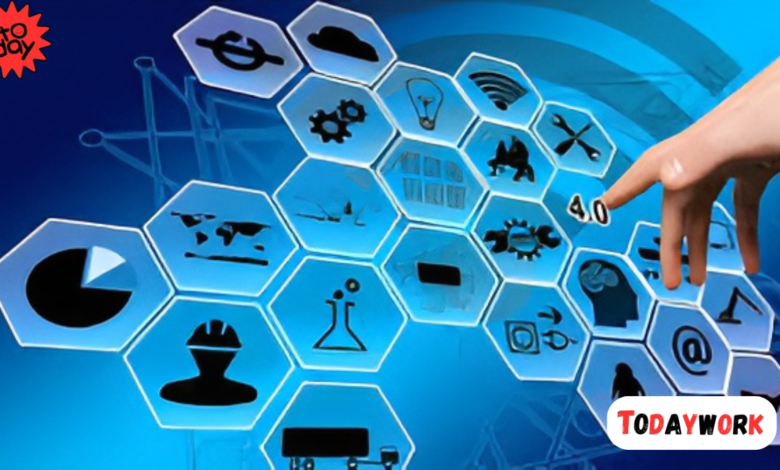
image of modern technology has transformed almost every aspect of our lives, from communication to healthcare, education to entertainment. Today, the term “modern technology” encompasses a broad spectrum of innovations, including artificial intelligence, robotics, wearable devices, and the Internet of Things (IoT). However, one of the most powerful ways to understand and connect with these advancements is through visual representation. Images of modern technology not only provide clarity but also evoke curiosity, inspire creativity, and influence public perception.
image of modern technology Visuals have become a universal language, bridging the gap between complex technological concepts and everyday understanding. For example, an image of a humanoid robot or a sleek self-driving car can instantly communicate the future of mobility and AI integration in ways that words alone cannot. These images also serve as essential tools for educators, marketers, and innovators who aim to showcase the practical applications of technology. They highlight the intricacies, design, and functionality of devices, making technology more relatable and accessible.
image of modern technology This article explores the evolution of technological imagery, highlights key modern technologies captured in visuals, discusses the role of images in marketing and education, and examines future trends in the visual representation of technology. By understanding the power of images in modern technology, readers can gain deeper insights into how innovation is communicated, appreciated, and adopted in our society.
Evolution of Technology and Its Visual Representation
The way image of modern technology is represented visually has evolved dramatically over the years. In the early days, sketches and hand-drawn diagrams were used to explain mechanical innovations. These illustrations were often technical, detailed, and served as a tool for engineers and inventors. As photography emerged, real-life images of machines, vehicles, and inventions began to dominate, making technology more tangible and easier to comprehend for the general public.
image of modern technology With the digital age, visual representation took another leap forward. Computer-generated graphics, 3D modelling, and animations allowed innovators to showcase products and concepts in ways that were impossible before. A simple image could now demonstrate the internal workings of a device, simulate its operation, or even present futuristic concepts before they existed. For instance, early images of smartphones or AI-powered robots shaped public imagination and expectations, accelerating adoption once these technologies became available.
image of modern technology Iconic images have always held significant power in influencing perception. The first photos of space exploration, the unveiling of personal computers, or the depiction of autonomous vehicles not only documented technology but also inspired generations to dream bigger. Today, modern technology images continue this legacy by blending realism with creativity, providing a window into both current innovations and future possibilities.
Key Modern Technologies Captured in Images
image of modern technology encompasses numerous innovations, and many of these are best understood through images. Artificial Intelligence (AI) and Machine Learning (ML) are frequently represented using conceptual graphics, robots, or futuristic digital interfaces. These images help demystify abstract concepts, showing how AI interacts with data, predicts outcomes, and powers smart devices. For instance, visual dashboards of AI analytics are widely used in business, illustrating complex algorithms in a user-friendly manner.
The Internet of Things (IoT) has also found a rich visual narrative. Smart homes, connected appliances, and wearable health monitors are often showcased in lifestyle images that depict practical usage. A photo of a smart thermostat adjusting the home temperature or a smartwatch monitoring heart rate instantly communicates the convenience and functionality of IoT devices. Similarly, robotics and automation are frequently captured in action — from industrial robots assembling products to drones surveying landscapes. These images highlight precision, innovation, and the expanding role of machines in everyday life.
Other areas, such as wearable technology and medical innovations, are also visually compelling. From fitness trackers to AR-assisted surgeries, images provide clarity and inspire confidence in technology’s capabilities. Even futuristic concepts like self-driving cars, virtual reality headsets, and space exploration vehicles are often first experienced through visuals. These images not only inform but also excite the audience, creating anticipation for the technologies of tomorrow.
Role of Imagery in Technology Marketing and Education

image of modern technology play a crucial role in image of modern technology marketing, helping companies communicate features, benefits, and design innovations. A single visual can explain product functionality better than pages of text. For instance, marketing campaigns for smartphones, AI assistants, or wearable devices heavily rely on images to showcase aesthetics, usability, and integration into daily life. Infographics, diagrams, and explainer visuals simplify complex information, enabling audiences to grasp technical concepts effortlessly.
In education, images serve as essential tools for learning and comprehension. Teachers and instructors use diagrams, 3D models, and interactive visuals to explain coding, robotics, and AI concepts. Students can observe workflows, understand machine components, and visualise algorithms through engaging imagery. This approach enhances retention and encourages curiosity, making technological learning more interactive and effective.
image of modern technology Moreover, social media has amplified the importance of visuals in image of modern technology adoption. Companies now leverage platforms like Instagram, YouTube, and LinkedIn to showcase product demos, tutorials, and futuristic concepts through high-quality images and videos. This visual storytelling not only educates audiences but also fosters community engagement, brand loyalty, and excitement around technological innovations.
Future Trends in the Image of Modern Technology
The future of visual representation in image of modern technology is exciting and transformative. Emerging imaging technologies, such as 3D rendering, holograms, and virtual reality, are redefining how people experience innovation. Instead of static images, audiences can now interact with virtual prototypes, explore devices in immersive environments, and visualise concepts in real time. This shift will make technology more accessible and engaging than ever before.
image of modern technology AI-generated imagery is also gaining traction, enabling designers and marketers to create realistic representations of futuristic concepts that do not yet exist. These visuals can predict product designs, simulate functionalities, and even anticipate consumer responses. However, ethical considerations remain crucial, as exaggerated or misleading representations may distort public expectations or understanding.
Looking forward, the integration of interactive and immersive images will continue to shape perceptions of modern image of modern technology. From educational simulations to marketing campaigns, these visuals will influence how society embraces innovation, inspiring new ideas and fostering technological literacy. The future is not just about the technology itself but also about how effectively its image communicates its potential and possibilities.
Conclusion
image of modern technology are more than mere illustrations; they are powerful tools that shape perception, inspire innovation, and enhance understanding. From the evolution of visual representation to current marketing and educational applications, these images bridge the gap between complex technology and everyday comprehension. As technology continues to advance, the role of visuals will become even more significant, influencing adoption, engagement, and creativity. By appreciating and understanding these images, society can stay informed and inspired about the innovations that define our future.
Frequently asked questions
What is considered modern technology?
Modern technology includes innovations like AI, robotics, IoT devices, wearables, and digital platforms that enhance daily life and industrial processes.
Why are images important in understanding technology?
Images simplify complex concepts, demonstrate functionality, and make technology more relatable and easier to comprehend.
Which technologies are most visually represented today?
AI, IoT, robotics, wearable devices, virtual reality, and self-driving cars are frequently depicted in images.
How do companies use technology images in marketing?
Companies use visuals to showcase product design, usability, features, and lifestyle integration to attract and educate customers.
Can AI create realistic images of future technologies?
Yes, AI can generate visual representations of concepts and products that don’t yet exist, providing realistic previews for designers and consumers.
How has the representation of technology changed over time?
It evolved from sketches and diagrams to photography, digital graphics, 3D models, and immersive visuals like AR and VR.
What role do images play in tech education?
Images help explain complex workflows, algorithms, and device operations, making learning interactive and more effective.
Also Read: chuck mcdowell