
longest highway in the world The concept of highways has long fascinated humanity, offering more than just a path from one destination to another. Highways are the arteries of global connectivity, bridging cities, countries, and continents. Among these, the longest highway in the world stands as an extraordinary feat of engineering, spanning thousands of miles and connecting diverse cultures and climates. This remarkable road is not just a route for vehicles—it is a symbol of human determination, technological innovation, and adventure.
Traversing the longest highway in the world is akin to journeying through a living museum. Each mile presents a new landscape, from bustling urban centres to remote, untouched regions. For travellers, it represents an opportunity to witness the planet’s natural beauty, cultural diversity, and historic landmarks all in one journey. For economists and planners, it signifies a crucial route for trade, transport, and development. This article explores everything about this iconic highway, including its history, route, travel tips, cultural significance, and fascinating records.
What is the Longest Highway in the World?
The longest highway in the world is widely recognised as the Pan-American Highway, a network of roads stretching from Prudhoe Bay in Alaska, United States, to Ushuaia in Argentina. While not a single continuous road in all sections, it forms a connected system covering roughly 19,000 to 19,500 miles (30,000 kilometres). Guinness World Records and other authorities often cite it as the world’s longest motorable road.
A Network Across Continents
longest highway in the world Unlike conventional highways, the Pan-American Highway crosses multiple national borders, weaving through North, Central, and South America. This immense span allows it to cover diverse terrains, climates, and ecosystems—from the icy tundras of Alaska to the tropical forests of Central America and the windswept plains of Patagonia.
Significance Beyond Distance
longest highway in the world The highway embodies human ambition and the desire for global connectivity. Few roads combine the scale, engineering challenges, and international cooperation required to create such a network. For travellers, it represents the ultimate road trip challenge, blending endurance, planning, and the thrill of crossing multiple countries in a single journey.
History and Construction of the Longest Highway
Origins of the Highway
longest highway in the world The idea of connecting the Americas through a single road network dates back to the early 20th century. Nations along the route recognised the strategic, economic, and social benefits of an interconnected highway system. Initially focused on trade, military transport, and tourism, the vision eventually evolved into a symbol of continental unity.
Challenges and Engineering Feats
longest highway in the world Construction occurred in fragments, with each country developing its own sections. The United States focused on Alaska to Mexico, while Central American nations, including Guatemala and Panama, worked through challenging terrains and tropical climates. South American countries connected the highway down to Argentina, facing deserts, rainforests, and glaciers. A notable obstacle remains the Darién Gap between Panama and Colombia, a dense jungle area with no road.
longest highway in the world The highway required immense engineering innovation—bridges, tunnels, and durable road surfaces capable of withstanding extreme weather. Political coordination was also essential due to national boundaries. Today, the Pan-American Highway stands as a testament to human resilience and cross-border cooperation, with modern upgrades enhancing road safety and accessibility.
Route and Countries Covered
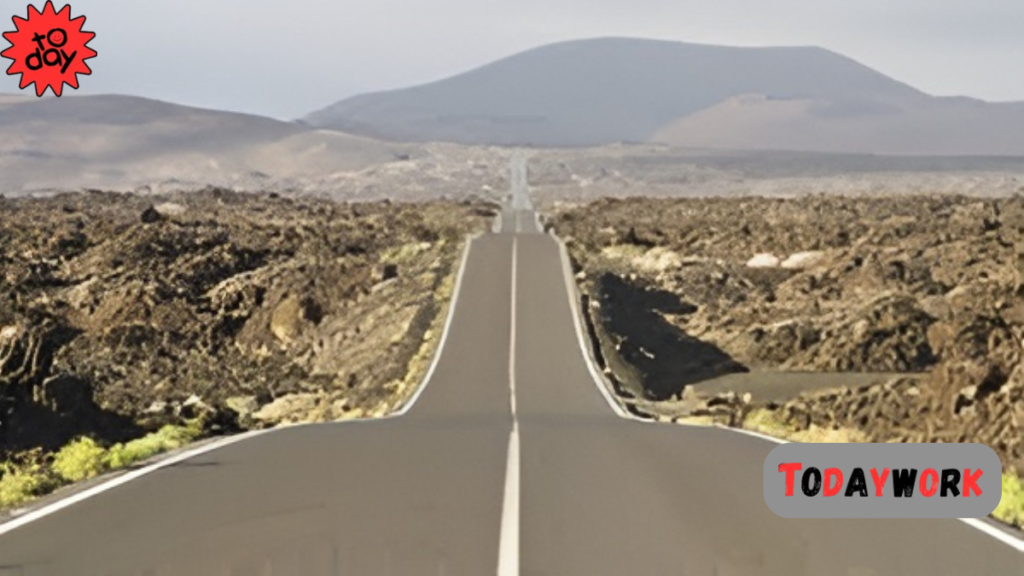
North America
longest highway in the world The highway begins in Prudhoe Bay, Alaska, with icy tundras, mountainous terrain, and spectacular northern lights. It passes through Canada’s Yukon Territory and enters the United States, connecting major cities like Anchorage, Seattle, and Los Angeles. Crossing into Mexico introduces deserts, warm climates, and colonial towns full of history.
Central America
longest highway in the world Travelling through Guatemala, Honduras, Nicaragua, Costa Rica, and Panama, the highway showcases tropical forests, active volcanoes, and vibrant local cultures. Central America’s diverse landscapes present a mix of adventure and cultural immersion for travellers.
South America
longest highway in the world Colombia and Ecuador offer high-altitude passes and lush greenery, while Peru features ancient ruins and Andean landscapes. Chile and Argentina present wind-swept plains and Patagonia’s glaciers, culminating at Ushuaia—the southernmost city on Earth. Continuous road travel is possible in most sections, except the Darién Gap, which requires alternative transport like ferries or flights.
Travel Tips and Experiences
Planning Your Journey
Traveling the Pan-American Highway requires careful preparation. Consider seasonal variations, road conditions, border regulations, and vehicle readiness. North America is best in summer, Central America during the dry season (November–April), and South America varies by altitude and climate zones.
Safety and Essentials
Safety is paramount: stay updated on local conditions, carry enough supplies, and plan fuel stops. Road quality ranges from modern asphalt to gravel or dirt roads in remote areas. Accommodation options vary from luxury hotels to hostels, roadside inns, and camping sites.
Experiencing the Highway
The Pan-American Highway offers unforgettable adventures: wildlife encounters, UNESCO World Heritage sites, and local cultural experiences. Long-distance cycling and motorcycling are popular but demand endurance. The journey is as much about embracing local cultures and landscapes as it is about distance travelled.
Economic and Cultural Significance
Economic Impact
The highway facilitates trade, transport, and economic development, connecting remote areas with major markets. It supports the flow of goods, agriculture, and manufactured items, boosting local economies and creating employment opportunities.
Cultural Influence
The highway promotes cross-cultural exchange and tourism. Local festivals, markets, and traditions attract travellers, fostering cultural understanding. Literature, documentaries, and travel stories about the highway highlight its global significance beyond its economic value.
Fun Facts and Records
The highway spans approximately 19,000–19,500 miles (30,000 km).
The Darién Gap is a 100-mile jungle section that remains roadless.
It crosses 14 countries and multiple time zones.
Cyclists, motorcyclists, and road-trippers frequently attempt it as the ultimate journey.
Conclusion
The Pan-American Highway is a remarkable achievement, connecting continents, cultures, and climates across nearly 20,000 miles. From its historic construction to its current role in trade and travel, it is a symbol of human ambition and endurance. Travelling this highway is not just a journey—it is a lifetime experience of discovery, adventure, and cultural immersion.
Frequently asked questions
What is the exact length of the longest highway in the world?
Approximately 19,000–19,500 miles (30,000 kilometres), depending on the route.
Which countries does the highway pass through?
United States, Canada (Alaska), Mexico, Guatemala, Honduras, Nicaragua, Costa Rica, Panama, Colombia, Ecuador, Peru, Chile, and Argentina.
How long does it take to travel the entire highway?
Several months by car or motorbike, depending on stops and detours.
Is it safe to travel the highway solo?
Yes, but careful planning and awareness of local conditions are essential.
What are the most scenic parts of the highway?
Alaska’s tundras, Patagonia’s glaciers, the Andes, and Central America’s tropical forests.
Are there any tolls or fees along the highway?
Yes, some countries have tolls, border fees, and entry permits.
Can it be travelled by bike or only by car/truck?
Cycling and motorcycling are possible, though some sections are extremely challenging.
What is the history behind the highway’s construction?
Construction began in the early 20th century, built in segments by different countries, symbolising continental connectivity.
Also Read: phoenix suns vs dallas mavericks match player stats

