The laurel logo is more than just a decorative emblem; it is a symbol steeped in history, prestige, and achievement. Its roots trace back to ancient civilizations where the laurel wreath represented victory, success, and recognition. Today, this timeless icon has found a prominent place in modern branding, design, and marketing. From luxury brands to academic institutions, the laurel logo conveys an aura of excellence that resonates with audiences across cultures.
In the digital age, where logos are the first point of contact between a brand and its audience, a well-designed laurel logo can set a brand apart. Its circular design and elegant leaf patterns offer both simplicity and sophistication, making it a versatile choice for businesses seeking to communicate authority and quality. Designers and brand strategists often turn to the laurel motif because it naturally evokes a sense of trust and accomplishment.
Whether you are a business owner, a designer, or a student studying branding, understanding the laurel logo’s history, design principles, and modern applications is essential. This article explores everything you need to know about laurel logos—from their ancient origins to actionable tips for creating your own striking emblem. By the end, you will appreciate not just the aesthetic appeal of laurel logos, but also the power of the symbolism they carry in building strong, memorable brands.
History and Symbolism of the Laurel Logo
The laurel wreath has been a powerful symbol since ancient times. In Greece, laurel crowns were awarded to victors of the Pythian Games, a prestigious athletic and cultural event celebrating artistic and athletic excellence. The laurel was associated with Apollo, the Greek god of music, prophecy, and wisdom, symbolizing purity, victory, and honor. Similarly, in ancient Rome, generals and emperors were crowned with laurel wreaths to signify triumph in battle or leadership prowess.
Over the centuries, the laurel logo has retained its symbolism, evolving into a representation of achievement, prestige, and excellence. In Western culture, the laurel motif became a staple in art, literature, and heraldry, often seen in official seals, award emblems, and diplomas. Its association with accomplishment made it an ideal choice for organizations looking to signify authority, tradition, and honor.
Modern interpretations of the laurel logo often emphasize elegance and simplicity while retaining its historical roots. By using laurel elements in branding, businesses can leverage the deep cultural resonance of this ancient symbol. Whether appearing on a luxury product, a university crest, or a sports award, the laurel communicates success and distinction. Understanding this symbolism is key for designers who wish to create logos that are not only visually appealing but also culturally and emotionally meaningful.
Key Design Elements of a Laurel Logo
A laurel logo typically features a circular or semi-circular wreath composed of stylized leaves. This basic structure is versatile, allowing for both traditional and modern interpretations. Designers often choose between single wreaths, double wreaths, or abstract variations that blend the laurel with other geometric or typographic elements. The symmetry of the laurel adds a sense of balance, harmony, and completeness, which contributes to its aesthetic appeal.
Color choice plays a crucial role in laurel logo design. Classic laurel designs often use gold, green, or muted tones to evoke prestige and timelessness. However, modern brands may opt for bold, vibrant colors or monochrome palettes to create a contemporary feel. Typography is another important consideration. Pairing the laurel wreath with elegant, serif fonts can reinforce sophistication, while clean sans-serif fonts can give the design a modern and minimalist vibe.
Simplicity and recognizability are key when designing a laurel logo. Overly detailed or cluttered designs can dilute the impact and reduce versatility, especially in digital contexts. By focusing on essential elements—the leaf shape, symmetry, and proportion—designers can create a logo that looks elegant in both large-scale prints and small digital icons. A well-crafted laurel logo should communicate authority, prestige, and timeless appeal at a single glance, making it an invaluable asset for brand identity.
Modern Uses of Laurel Logos in Branding
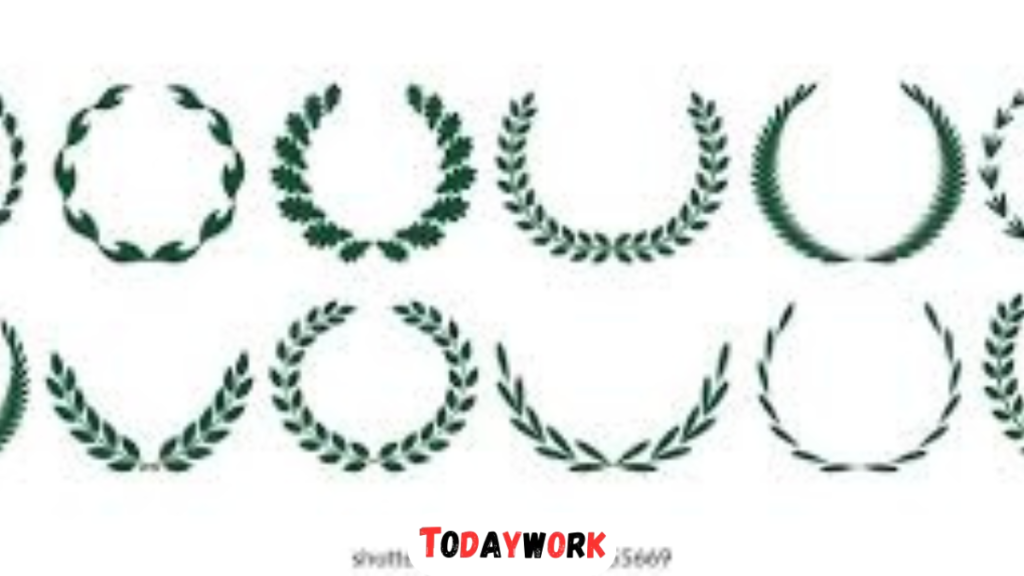
In modern branding, laurel logos are a popular choice for businesses and institutions that want to convey excellence, achievement, and prestige. Universities, academies, and schools often incorporate laurel logos into their crests to symbolize knowledge and accomplishment. Luxury brands use laurel motifs in packaging, product labels, and promotional materials to evoke a sense of sophistication and high quality. Even sports organizations and award events adopt laurel elements to highlight success and victory.
Digital platforms have also expanded the versatility of laurel logos. Companies now use laurel emblems in website designs, social media profiles, and mobile apps to reinforce their identity and values. The clean, circular design of the laurel ensures it remains visually appealing across various formats, from tiny icons to large banners. This adaptability makes it a strategic choice for brands seeking consistent recognition across all digital touchpoints.
Creating a modern laurel logo involves balancing traditional symbolism with contemporary design trends. Designers may integrate minimalist leaf patterns, abstract shapes, or modern typography to make the logo feel fresh while maintaining its association with success and prestige. A thoughtfully designed laurel logo can enhance brand perception, communicate reliability, and leave a lasting impression on audiences.
Creating Your Own Laurel Logo
Designing a laurel logo starts with research and inspiration. Begin by understanding the symbolism you want to convey and studying existing laurel logos in your industry. Identify the elements that resonate with your brand values—whether that’s luxury, achievement, or professionalism—and sketch preliminary designs.
Next, choose the right tools to bring your design to life. Software like Adobe Illustrator, Canva, or Figma allows designers to create precise, scalable vector graphics. Experiment with leaf shapes, symmetry, and wreath structure, and consider integrating your brand name or initials for a unique identity. Pay attention to color schemes and typography to ensure the logo aligns with your brand personality.
Avoid common mistakes such as overcomplicating the design, using too many colors, or neglecting scalability. A strong laurel logo should be clear, memorable, and versatile across all mediums. Test your design in various formats—business cards, websites, social media profiles—to ensure it maintains its elegance and readability. By combining historical inspiration with modern design principles, you can create a laurel logo that stands out and effectively communicates your brand’s values.
Conclusion
The laurel logo remains a powerful symbol that bridges history and modern branding. Its association with achievement, prestige, and honor makes it a versatile choice for businesses, institutions, and designers seeking to communicate authority and excellence. From ancient Greek and Roman origins to contemporary applications in digital and print media, the laurel continues to represent success and distinction.
By understanding the history, design principles, and modern uses of laurel logos, you can create a brand emblem that is both timeless and relevant. Whether you are designing a logo for a luxury brand, an educational institution, or an award event, the laurel motif provides a visually appealing and culturally resonant foundation. A well-executed laurel logo not only enhances brand perception but also leaves a lasting impression on audiences, making it an indispensable tool in today’s competitive branding landscape.
Frequently asked questions
What does a laurel logo symbolize?
The laurel logo represents victory, achievement, honor, and prestige. Its roots are in ancient Greece and Rome, where it was used to crown winners and leaders.
Are laurel logos suitable for modern brands?
Yes, laurel logos are versatile and can be adapted to contemporary design trends, making them suitable for digital media, luxury brands, and professional institutions.
How can I design a laurel logo for my business?
Start by researching laurel symbolism, sketching designs, and using tools like Adobe Illustrator or Canva to create a scalable vector logo. Focus on symmetry, simplicity, and relevant typography.
What industries use laurel logos most often?
Educational institutions, luxury brands, sports organizations, award events, and professional services frequently use laurel logos to convey prestige and excellence.
Can laurel logos be customized with colours and fonts?
Absolutely. Designers can choose different color palettes, leaf shapes, and typography styles to match the brand identity while retaining the laurel’s symbolic significance.
Where can I find free laurel logo templates?
Free laurel logo templates are available on platforms like Canva, Freepik, and Envato Elements, which can be customized for personal or commercial use
Also Read: 99math