echnology in fashion retail The fashion retail industry has undergone a dramatic transformation over the past decade, driven largely by technological advancements. From traditional brick-and-mortar stores to sophisticated e-commerce platforms, retailers are leveraging technology to meet the growing expectations of modern consumers. Today, shopping is no longer just about browsing clothing racks or trying on garments; it has become a seamless, personalised, and immersive experience shaped by innovations in artificial intelligence, augmented reality, and data analytics.
Technology in fashion retail is redefining how brands interact with customers, manage inventory, and strategise for growth. Consumers now expect recommendations tailored to their preferences, instant access to products online, and experiences that bridge the gap between digital and physical stores. For retailers, this shift presents both opportunities and challenges. Integrating the right technology can lead to increased efficiency, higher sales, and improved customer loyalty, while failing to adapt can result in lost relevance in a highly competitive market.
echnology in fashion retail In essence, technology in fashion retail is more than just tools and gadgets; it represents a paradigm shift in how the industry operates. From improving the shopping experience to streamlining supply chains, technology is at the heart of modern retail strategy. This article explores the key technological trends, their applications, and the future outlook for fashion retailers seeking to stay ahead in a rapidly evolving landscape echnology in fashion retail.
The Role of Technology in Modern Fashion Retail
Technology has become a cornerstone of modern fashion retail, allowing brands to operate more efficiently while providing a more engaging customer experience. Artificial intelligence (AI), augmented reality (AR), the Internet of Things (IoT), and mobile applications are just some of the technologies transforming the industry. AI, for instance, helps retailers analyse consumer behaviour, predict trends, and offer personalised recommendations, while AR allows customers to virtually try on outfits before making a purchase echnology in fashion retail.
echnology in fashion retail IoT and smart devices are enhancing operational efficiency, providing retailers with real-time data on inventory and customer preferences. This integration of technology ensures that stores are more responsive and that customers receive timely and relevant experiences. Retailers like Zara, H&M, and Nike have embraced these innovations, offering app-based shopping, AR fitting rooms, and AI-driven personalisation.
Moreover, technology empowers smaller brands to compete with established names by offering scalable solutions that were previously accessible only to large corporations. Digital tools allow for faster trend analysis, better marketing insights, and enhanced customer engagement. In a market where consumer preferences change rapidly, technology is no longer optional; it is essential for survival and growth.
Enhancing the Customer Experience Through Technology
echnology in fashion retail One of the most significant impacts of technology in fashion retail is the enhancement of the customer experience. AI-driven recommendations enable shoppers to discover products tailored to their tastes, preferences, and past purchases. This level of personalisation creates a sense of connection between the brand and the customer, encouraging repeat purchases and building brand loyalty echnology in fashion retail.
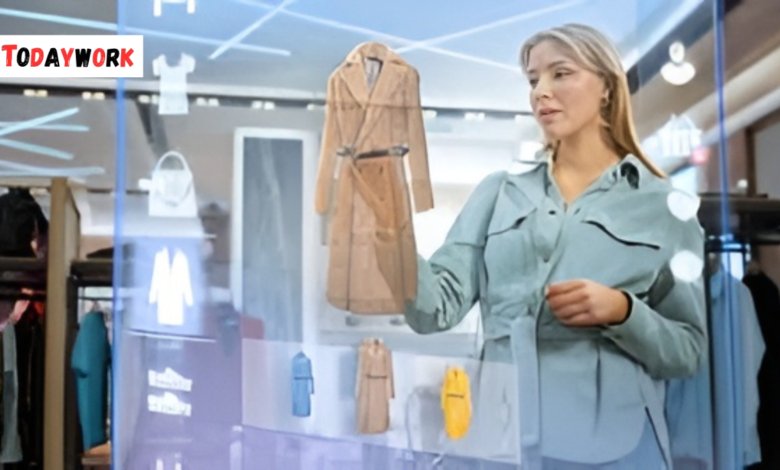
echnology in fashion retail Virtual fitting rooms, powered by AR, are revolutionising the way consumers try on clothing. Customers can visualise how garments will look and fit without physically wearing them, saving time and reducing the likelihood of returns. Similarly, chatbots and automated customer support systems ensure that shoppers receive instant assistance, enhancing satisfaction and engagement.
echnology in fashion retail Mobile shopping apps have also become central to the customer experience, offering seamless navigation, quick checkout processes, and integrated loyalty programs. Features like push notifications, personalised offers, and in-app AR try-ons create a unique shopping journey that bridges online and offline experiences. By leveraging these tools, retailers can offer a shopping experience that feels customised, convenient, and enjoyable, ultimately driving sales and long-term customer loyalty.
Technology in Inventory and Supply Chain Management
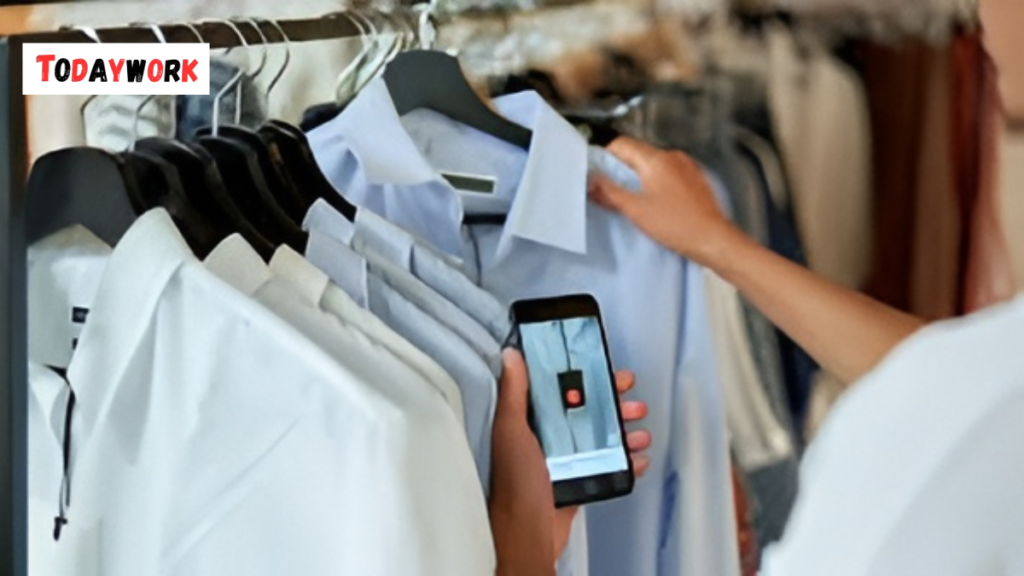
echnology in fashion retail Beyond customer-facing innovations, technology plays a vital role in optimising inventory and supply chain operations. Smart inventory management systems, supported by AI and predictive analytics, allow retailers to forecast demand accurately, reduce stockouts, and minimise overstock. This ensures that the right products are available at the right time, improving operational efficiency and reducing waste.
RFID tags and IoT devices enable real-time tracking of products from warehouse to store, offering visibility across the entire supply chain. Retailers can monitor stock levels, track shipments, and streamline replenishment processes, ensuring a smooth flow of merchandise. Additionally, integrating online and offline channels through omnichannel strategies ensures consistency and convenience for consumers, whether they shop in-store or online.
Predictive analytics also allows retailers to make data-driven decisions on pricing, promotions, and product launches. By understanding seasonal trends, regional preferences, and consumer behaviour patterns, brands can optimise their offerings and marketing strategies. In a highly competitive environment, leveraging technology for supply chain efficiency not only reduces costs but also enhances customer satisfaction by ensuring products are always available when and where they are needed.
Data Analytics and AI in Fashion Retail
Data analytics and AI are revolutionising fashion retail by providing actionable insights that inform every aspect of the business. Retailers can analyse customer behaviour, purchasing patterns, and market trends to make informed decisions on inventory, pricing, and product development. AI algorithms can predict upcoming fashion trends, helping brands stay ahead of consumer demand and design collections that resonate with their audience.
Beyond trend prediction, AI enhances marketing strategies through customer segmentation, personalised campaigns, and targeted advertising. Retailers can identify high-value customers, optimise loyalty programs, and tailor communication to maximise engagement. Dynamic pricing powered by AI ensures competitive pricing while maintaining profitability.
However, while the benefits are significant, ethical considerations around data privacy must be addressed. Transparent policies, secure data handling, and consumer consent are critical for maintaining trust in an AI-driven retail environment. By balancing technological innovation with responsible data practices, fashion retailers can harness the full potential of analytics and AI to drive growth and customer satisfaction.
The Future of Fashion Retail Technology
The future of fashion retail is set to be even more technologically advanced, with emerging trends reshaping the way consumers shop. Digital fashion, virtual reality stores, and the metaverse are creating new opportunities for immersive experiences that blur the line between physical and digital fashion. Non-fungible tokens (NFTs) and blockchain technology are also enabling unique ownership experiences for digital garments.
Sustainability is another key area where technology is making an impact. AI and data analytics help brands optimise production, reduce waste, and implement circular fashion practices. Smart fabrics, 3D printing, and eco-friendly materials are also gaining traction, allowing retailers to combine innovation with environmental responsibility.
Despite these exciting developments, challenges remain. High costs, technology integration, and maintaining human touch in customer interactions are considerations retailers must manage carefully. Brands that successfully balance innovation with customer-centricity and sustainability are likely to lead the next generation of fashion retail.
Conclusion
Technology in fashion retail is no longer just a supporting tool; it has become a driving force that shapes customer experiences, operational efficiency, and business growth. From AI-driven personalisation and AR fitting rooms to predictive analytics and smart supply chain management, technology enables retailers to meet modern consumer expectations and stay competitive.
The future promises even more innovative experiences, including virtual fashion, metaverse shopping, and sustainable tech solutions. For retailers, embracing these technological advancements while maintaining authenticity and ethical practices will be the key to long-term success in a rapidly evolving market. Ultimately, technology is transforming fashion retail into a smarter, faster, and more customer-centric industry.
Frequently asked questions
What are the most common technologies used in fashion retail today?
AI, AR/VR, IoT, mobile apps, and data analytics are widely adopted across fashion retail.
How is AI transforming the shopping experience in fashion retail?
AI enables personalised recommendations, trend prediction, dynamic pricing, and targeted marketing.
Can virtual fitting rooms replace traditional stores completely?
While they enhance convenience, physical stores still provide tactile experiences; the two complement each other.
What role does data analytics play in fashion retail strategy?
Data analytics informs inventory management, trend prediction, customer insights, and marketing decisions.
How is technology helping fashion retailers become more sustainable?
Tech optimises production, reduces waste, and supports eco-friendly materials and circular fashion practices.
What are the challenges retailers face when adopting new technologies?
Integration costs, staff training, and balancing automation with human touch are common challenges.
How can small fashion brands benefit from technology in retail?
Scalable tech solutions allow small brands to personalise shopping experiences, analyse trends, and compete with larger retailers.
Also Read: skincare technology