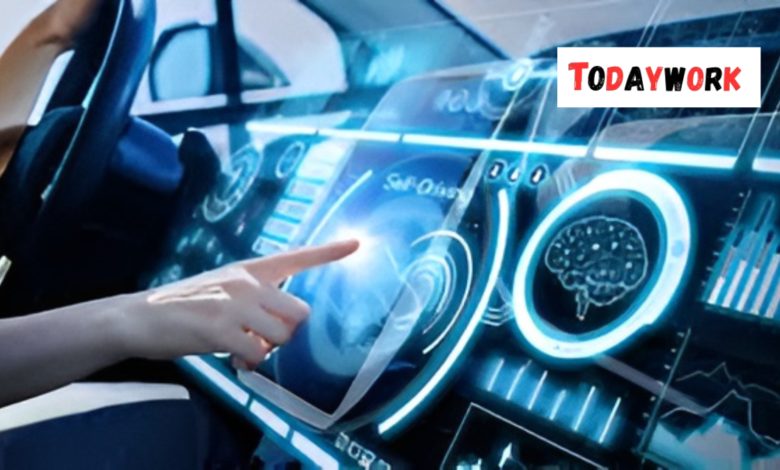
The car technology impact on driving has transformed the way people experience travel in the UK. Modern vehicles are no longer purely mechanical machines; they are smart systems designed to enhance safety, convenience, and efficiency. From advanced navigation tools to semi-autonomous driving features, these innovations influence both driver behaviour and road safety. Understanding the full impact of these technologies is essential for responsible use and better driving experiences.
With the rise of connected cars, artificial intelligence, and electric vehicles, the car technology impact on driving extends beyond comfort and safety. These systems can reduce human error, improve traffic flow, and minimise environmental impact. However, they also present challenges, including driver distraction, over-reliance on automation, and potential skill degradation. Exploring these effects helps UK drivers navigate a rapidly evolving automotive landscape.
The Evolution of Car Technology
Car technology impact on driving has come a long way since the first mechanical improvements like anti-lock braking systems and airbags. Over time, electronic systems such as GPS navigation, infotainment, and adaptive cruise control have reshaped the driving experience. Vehicles now offer drivers a combination of convenience and protection that was unimaginable even a decade ago.
The rise of smart cars and semi-autonomous features represents a significant shift in UK roads. Features like automatic emergency braking, lane departure warnings, and driver monitoring systems are increasingly common. These innovations illustrate how the car technology impact on driving has moved from purely mechanical improvements to sophisticated systems capable of making split-second decisions to protect drivers and passengers.
Positive Impacts of Car Technology on Driving
One of the most notable aspects of the car technology impact on driving is enhanced safety. Modern safety systems, including blind spot monitoring, lane keeping assist, and autonomous emergency braking, have significantly reduced accident risks. Driver monitoring systems can detect fatigue or distraction and alert the driver, further preventing collisions and making journeys safer.
Beyond safety, car technology impact on driving also includes convenience and comfort. Adaptive cruise control, smart navigation, and real-time traffic updates make long journeys less stressful. Keyless entry, climate control, and integrated infotainment systems ensure a smoother and more enjoyable driving experience. These features demonstrate that technology not only improves safety but also transforms the overall driving experience for UK motorists.
Car technology impact on driving also extends to efficiency and environmental benefits. Electric and hybrid vehicles provide cleaner emissions, quieter rides, and reduced fuel consumption. AI-assisted driving helps optimise routes, saving time and energy. As a result, modern technology reduces maintenance needs and long-term costs while promoting eco-friendly transport solutions, showing that innovation can improve both driving experience and sustainability.
Negative Impacts and Challenges of Car Technology
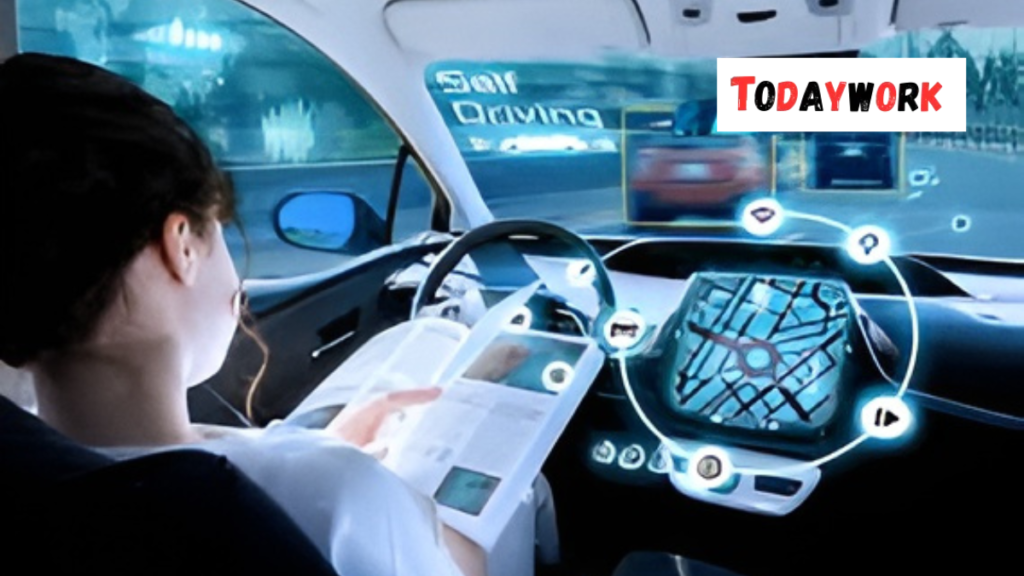
Despite the clear advantages, the car technology impact on driving is not without challenges. Infotainment systems and touchscreens can distract drivers, leading to lapses in concentration and increased accident risks. Over-reliance on semi-autonomous features may reduce driver engagement and create a false sense of security, which can be dangerous in complex traffic conditions.
Another concern is the potential decline in traditional driving skills. Drivers who rely heavily on technology for lane control, speed management, and navigation may lose confidence in manual driving abilities. Technical issues, poor interface design, or system malfunctions can further frustrate users, highlighting the dual nature of car technology impact on driving: while innovations enhance safety and convenience, they require careful and responsible use.
Future Trends in Car Technology
The future of car technology impact on driving looks increasingly sophisticated. Autonomous vehicles and artificial intelligence are expected to become more widespread, with features such as augmented reality head-up displays improving driver awareness. Vehicle-to-everything (V2X) communication promises to create safer, smarter roads by connecting vehicles to traffic systems and other cars.
In the UK, government incentives and regulations are encouraging the adoption of electric vehicles and advanced safety technologies. As these innovations become mainstream, the car technology impact on driving will continue to evolve. Drivers will enjoy safer, greener, and more efficient journeys, provided they balance reliance on technology with active engagement behind the wheel.
Conclusion
The car technology impact on driving is transformative, offering significant improvements in safety, convenience, and efficiency. Advanced systems such as driver monitoring, adaptive cruise control, and autonomous emergency braking make roads safer, while infotainment and navigation technology enhance comfort and ease of travel.
However, challenges such as over-reliance, distraction, and skill decline cannot be ignored. By using technology responsibly and staying attentive, UK drivers can maximise the benefits of modern innovations. The future promises smarter, greener, and more connected roads, ensuring that car technology impact on driving continues to improve journeys for everyone.
Frequently Asked Questions
What is the impact of car technology on driver safety?
Modern car technology improves safety by reducing accidents through features like lane assist, AEB, and driver monitoring systems.
How is modern technology changing the driving experience in the UK?
Technology makes driving more convenient, efficient, and comfortable with smart navigation, adaptive cruise control, and connected systems.
Can car technology lead to over-reliance and distracted driving?
Yes, excessive trust in semi-autonomous systems and infotainment can reduce attention and driver engagement.
Which car technologies are most beneficial for everyday drivers?
Safety features like lane keeping, blind spot monitoring, adaptive cruise control, and real-time navigation are most helpful.
How will autonomous vehicles shape the future of driving in the UK?
Autonomous vehicles will make roads safer, reduce human error, and transform urban mobility and commuting patterns.
Do electric vehicles affect driving differently compared to traditional cars?
Yes, EVs offer quieter rides, instant torque, and smoother acceleration, but require consideration of charging infrastructure.
Are there risks associated with driver assistance systems?
Improper use or over-reliance can reduce driver skills and increase risk if systems fail or are misunderstood.
Also Read: mark hines