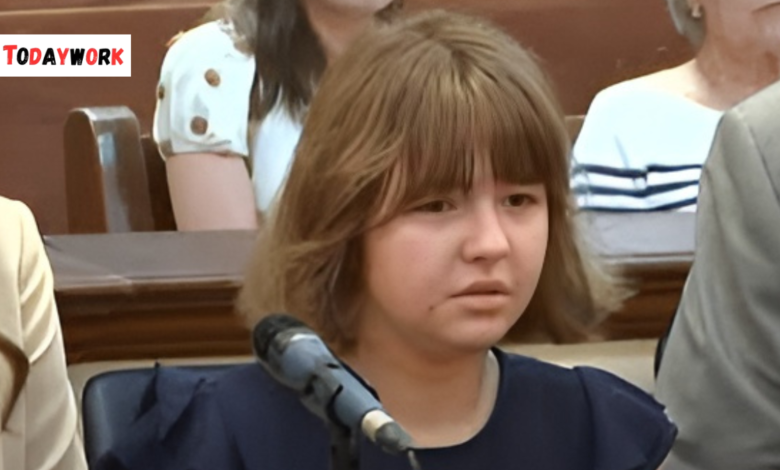
Carly Gregg has become a widely recognised name due to a shocking crime in Brandon, Mississippi. At just 15 years old, she was convicted of murdering her mother, Ashley Smylie, and attempting to kill her stepfather. The severity of the crime, combined with her young age, captured media attention both nationally and internationally, sparking debates about juvenile justice and criminal responsibility.
The case of Carly Gregg has not only raised questions about the psychological and social factors influencing teenage behaviour but also highlighted the complexities of the legal system when dealing with minors. Her sentencing to life in prison without parole shocked many observers, drawing attention to issues surrounding juvenile crime, sentencing ethics, and the role of the media in covering tragic events.
Who is Carly Gregg? Early Life and Background
Carly Gregg grew up in a seemingly ordinary family in Brandon, Mississippi. While information about her early life is limited, reports suggest she attended local schools and led a relatively normal teenage life. Despite appearances, her household was reportedly marked by tension and conflicts that later became central to her legal case, raising questions about family dynamics and adolescent behaviour.
Before the tragic events, Carly Gregg had little public exposure. Neighbours and acquaintances described her as reserved, though some noted signs of frustration and behavioural issues. The circumstances surrounding her upbringing, combined with the pressures of adolescence, may have influenced the actions that ultimately led to the crime, highlighting the need for awareness of mental health and support for at-risk teenagers.
The Murder of Ashley Smylie – What Happened
On 19 March 2024, Carly Gregg allegedly shot her mother, Ashley Smylie, in their home, leaving her stepfather seriously injured. The shocking nature of the incident, committed by a teenager, drew immediate attention from law enforcement and media outlets. Police reports indicated that the crime was premeditated, and Carly Gregg was taken into custody shortly after the shooting, facing first-degree murder and aggravated assault charges.
Eyewitness accounts from the scene described the tension and fear that unfolded during the incident. The community was deeply affected, with many struggling to comprehend how a young girl could commit such a violent act. Carly Gregg’s arrest marked the beginning of a high-profile legal process that would attract significant media scrutiny and public interest.
The Trial of Carly Gregg

The trial of Carly Gregg was closely watched due to the unique circumstances of her age and the gravity of her crime. She faced charges of murder and attempted murder, with evidence including forensic reports, witness statements, and her own court testimonies. The legal proceedings focused not only on establishing guilt but also on examining her mental state and motivations.
During the trial, lawyers for Carly Gregg argued for a more lenient sentence, emphasising her youth and potential for rehabilitation. The prosecution, however, highlighted the premeditated nature of the crime and its severe consequences. The courtroom saw intense debate over juvenile sentencing, with public attention firmly fixed on the proceedings, reflecting broader societal concerns about youth violence.
Sentencing and Legal Consequences
Carly Gregg was ultimately sentenced to life in prison without the possibility of parole. The court determined that despite her age, the seriousness of her actions warranted the maximum penalty available under Mississippi law. This decision sparked widespread discussion about the appropriateness of such harsh sentences for minors and the balance between justice and rehabilitation.
Her legal team has since filed appeals challenging the sentence, arguing that life without parole for a minor may violate constitutional protections. These appeals have kept Carly Gregg’s case in the public eye, raising important legal questions about juvenile sentencing and whether current laws adequately address crimes committed by teenagers with complex personal and psychological backgrounds.
Public Reaction and Media Coverage
The crime committed by Carly Gregg garnered extensive media attention across the United States and internationally. News outlets covered the story in detail, from the initial arrest to the trial and sentencing. Social media platforms amplified public discourse, with millions discussing the ethical, legal, and psychological implications of a teenager committing such a serious crime.
Public reactions have been mixed. While some expressed sympathy for the victims’ family, others debated whether sentencing a minor to life imprisonment is just. Carly Gregg’s case has become a focal point for discussions on juvenile justice, mental health awareness, and the media’s role in reporting tragedies involving young perpetrators.
Lessons and Broader Implications
The story of Carly Gregg highlights the critical importance of understanding adolescent behaviour, family dynamics, and mental health. Experts suggest that early intervention, counselling, and social support for at-risk teens may prevent similar tragedies. The case serves as a cautionary example of the potential consequences when warning signs are overlooked.
Legally, Carly Gregg’s situation continues to influence discussions on juvenile sentencing and constitutional rights. The debate over whether minors should face life sentences without parole reflects broader societal concerns about rehabilitation, accountability, and the ethical implications of extreme punishment for young offenders.
Conclusion
Carly Gregg’s case remains a tragic and high-profile example of juvenile crime with severe consequences. Her conviction and life sentence highlight both the gravity of the crime and the challenges faced by the legal system in balancing justice with age-appropriate sentencing. The ongoing appeals and public discourse ensure that Carly Gregg’s story will continue to inform debates on juvenile justice for years to come.
Frequently Asked Questions
Who is Carly Gregg?
Carly Gregg is a teenage girl from Mississippi convicted of murdering her mother and attempting to kill her stepfather.
How old was Carly Gregg at the time of the crime?
She was 15 years old when the incident occurred.
What sentence did Carly Gregg receive?
She was sentenced to life in prison without parole.
Has Carly Gregg appealed her sentence?
Yes, her legal team has filed appeals challenging the sentence.
Where did the murder take place?
The crime occurred in Brandon, Mississippi.
Why is Carly Gregg’s case significant?
It sparked international discussion on juvenile crime, mental health, and sentencing ethics.
Also Read: morgan macgregor