
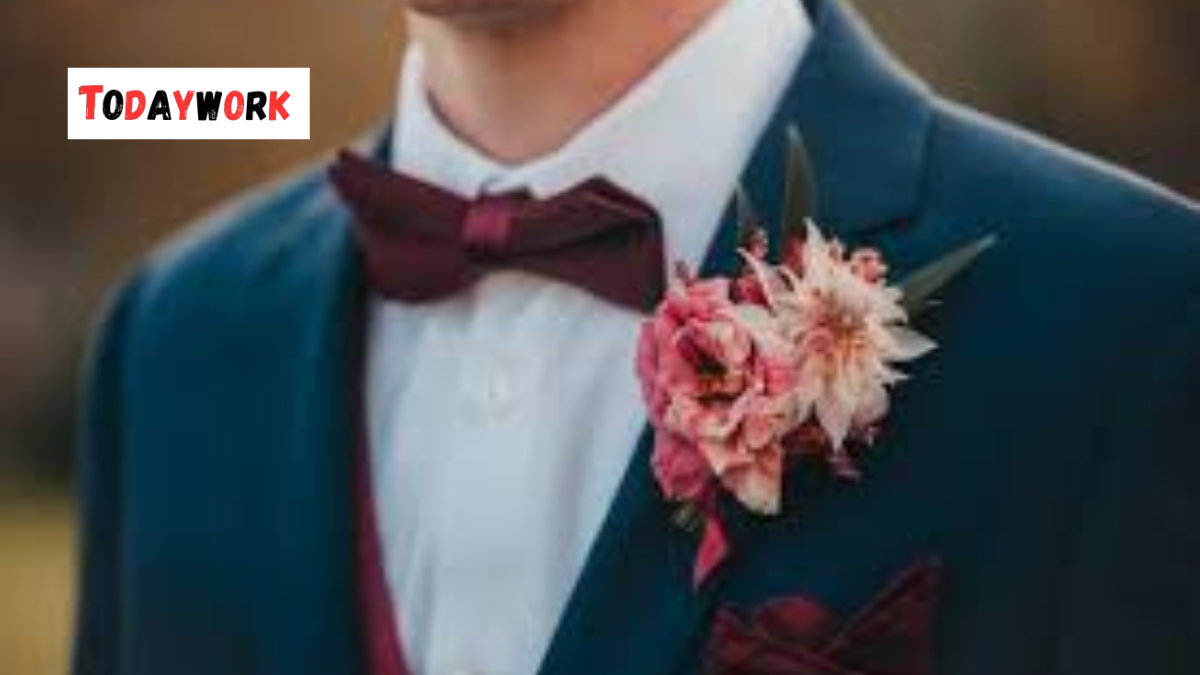
A boutonniere is a small floral decoration traditionally worn on the lapel of a suit or tuxedo, adding a touch of elegance and sophistication. Often seen at weddings, proms, and other formal occasions, the boutonniere is more than just an accessory; it symbolises style, attention to detail, and personal flair. Choosing the right boutonniere can significantly enhance the overall appearance of formal attire.
Over time, the boutonniere has evolved from a simple tradition into a creative fashion statement. Modern boutonnieres often incorporate unique flowers, greenery, and even unconventional materials to match contemporary wedding themes or personal preferences. Whether bought from a florist or crafted at home, a boutonniere remains an essential element of formal dressing, particularly in UK weddings and formal events.
What is a Boutonniere? Meaning and History
The term boutonniere comes from the French word for “buttonhole,” reflecting its traditional placement on a suit lapel. Historically, boutonnieres were worn to signify elegance, social status, and attention to fashion. In the 19th and early 20th centuries, they were popular among men attending formal events and royal ceremonies, often featuring small, fragrant flowers to complement formal attire.
In addition to their historical significance, boutonnieres have symbolic meaning. At weddings, they are often chosen to match the bride’s bouquet or the colour theme of the event, symbolising unity, love, and celebration. The tradition has persisted through centuries, adapting to modern tastes while maintaining its original charm and purpose as a sophisticated accessory for formal occasions.
Different Styles of Boutonnieres
Classic boutonnieres are typically simple, featuring a single flower such as a rose, carnation, or lily. These timeless designs provide elegance and versatility, making them suitable for weddings, proms, or other formal events. A well-chosen classic boutonniere can complement the wearer’s suit while adding a subtle focal point that draws attention to the lapel.
Modern styles of boutonnieres have become increasingly creative, incorporating dried flowers, succulents, and intricate greenery. Seasonal variations allow for fresh spring blooms or autumnal foliage, adding personality and uniqueness to formal attire. Some couples and event planners even design bespoke boutonnieres to match wedding colour palettes, demonstrating how these lapel flowers have evolved into versatile fashion statements.
How to Wear a Boutonniere
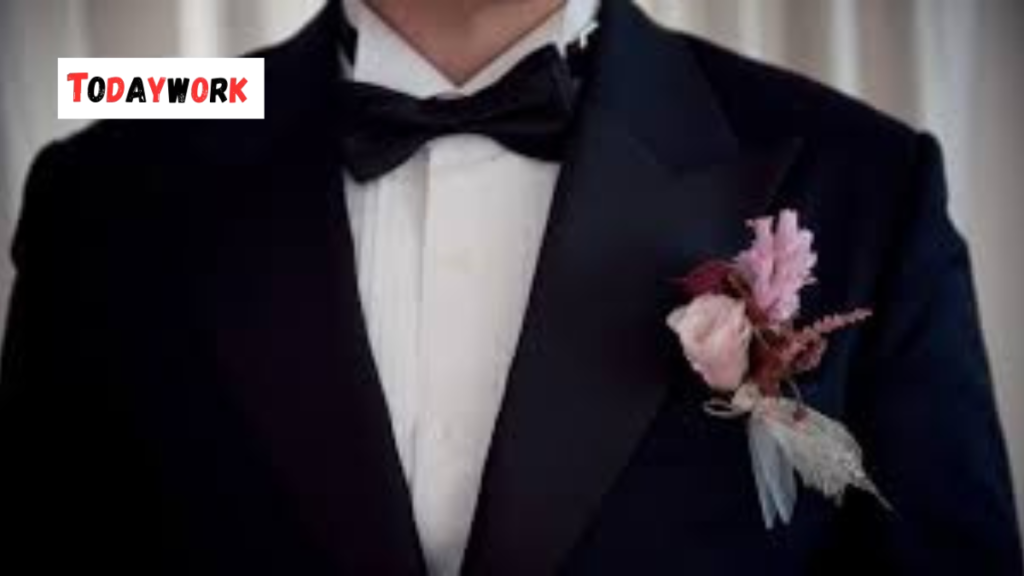
Wearing a boutonniere correctly ensures it enhances rather than overwhelms an outfit. Traditionally, it is pinned to the left lapel of a suit or tuxedo, close to the heart. Many jackets have a dedicated buttonhole, making it easier to secure the flower. Proper placement ensures the boutonniere stays upright and visible throughout the event.
The choice of fastening method, such as pins, magnets, or floral adhesives, can affect both appearance and stability. Boutonnieres should also be paired with complementary accessories, like pocket squares, ties, or corsages, to create a coordinated look. Avoid overcrowding the lapel, as this can distract from the boutonniere’s elegance and intended effect.
DIY Boutonniere: Step-by-Step Guide
Creating a DIY boutonniere is an enjoyable and personalised way to add charm to formal attire. Essential materials include fresh flowers, floral tape, wire, and ribbon. Begin by selecting a primary bloom, then layer it with smaller flowers or greenery to achieve balance and visual appeal.
After assembling the components, secure the stems with floral tape and wrap a ribbon around the base for a polished finish. Keeping the boutonniere hydrated until the event ensures freshness. For longer-lasting options, dried flowers or succulents can be used, offering durability while maintaining style. DIY boutonnieres also allow for creativity and personalisation, making them ideal for UK weddings and special occasions.
Choosing the Perfect Boutonniere for Weddings and Events
When selecting a boutonniere for a wedding or formal event, it is important to consider colour schemes, themes, and floral symbolism. Matching the boutonniere with the bride’s bouquet or the overall wedding decor can create harmony and elegance. Seasonal flowers, such as roses in summer or chrysanthemums in autumn, add a natural touch to the ensemble.
Boutonnieres are typically worn by grooms, groomsmen, and occasionally prom attendees. Choosing flowers that reflect personal style while complementing the formal outfit ensures a sophisticated and coordinated appearance. UK weddings often favour roses, orchids, and seasonal greenery, creating a timeless and memorable look that blends tradition with modern elegance.
Conclusion
Boutonnieres are a timeless accessory that combines history, style, and personal meaning. From classic single-flower designs to modern, creative arrangements, they remain an essential part of formal dressing for weddings, proms, and special events. A well-chosen boutonniere can elevate any outfit, adding charm, sophistication, and individuality.
Whether purchased from a florist or crafted at home, a boutonniere ensures that every formal occasion is celebrated with elegance. Paying attention to style, placement, and coordination with other accessories ensures the boutonniere stands out while complementing the wearer’s overall look.
Frequently asked questions
What is the difference between a boutonniere and a corsage?
A boutonniere is worn on a man’s lapel, while a corsage is typically worn by women on the wrist or dress.
Where should a boutonniere be worn on a suit?
A boutonniere should be pinned to the left lapel, close to the heart.
Can women wear a boutonniere?
Yes, women can wear a boutonniere on a lapel, dress, or even in their hair for a unique style.
How long does a fresh boutonniere last?
A fresh boutonniere usually lasts 8–12 hours when kept cool and hydrated.
What are the most popular flowers for wedding boutonnieres?
Roses, carnations, orchids, and seasonal greenery are the most popular choices.
How can I make a DIY boutonniere last all day?
Keep it hydrated, store it in a cool place, and assemble it shortly before the event.
Are there seasonal flowers suitable for UK wedding boutonnieres?
Yes, UK weddings often use roses in summer, chrysanthemums in autumn, and seasonal blooms year-round.
Also Read: katepritchard96