
Lancelot Ribeiro was born in 1933 in Mumbai, India, into a Goan Catholic family with deep cultural roots. From a young age, he displayed an extraordinary interest in art, drawing inspiration from the vibrant streets of Bombay, local festivals, and traditional architecture. These early influences profoundly shaped his creative vision and laid the foundation for his future as an Expressionist painter.
During his formative years, Lancelot Ribeiro attended St Xavier’s High School and later St Mary’s Senior Cambridge School in Mount Abu. His education exposed him to diverse ideas, artistic techniques, and European cultural influences. These experiences nurtured Ribeiro’s curiosity and his desire to blend Indian cultural motifs with modern artistic approaches, which became a hallmark of his style.
Artistic Career and Style
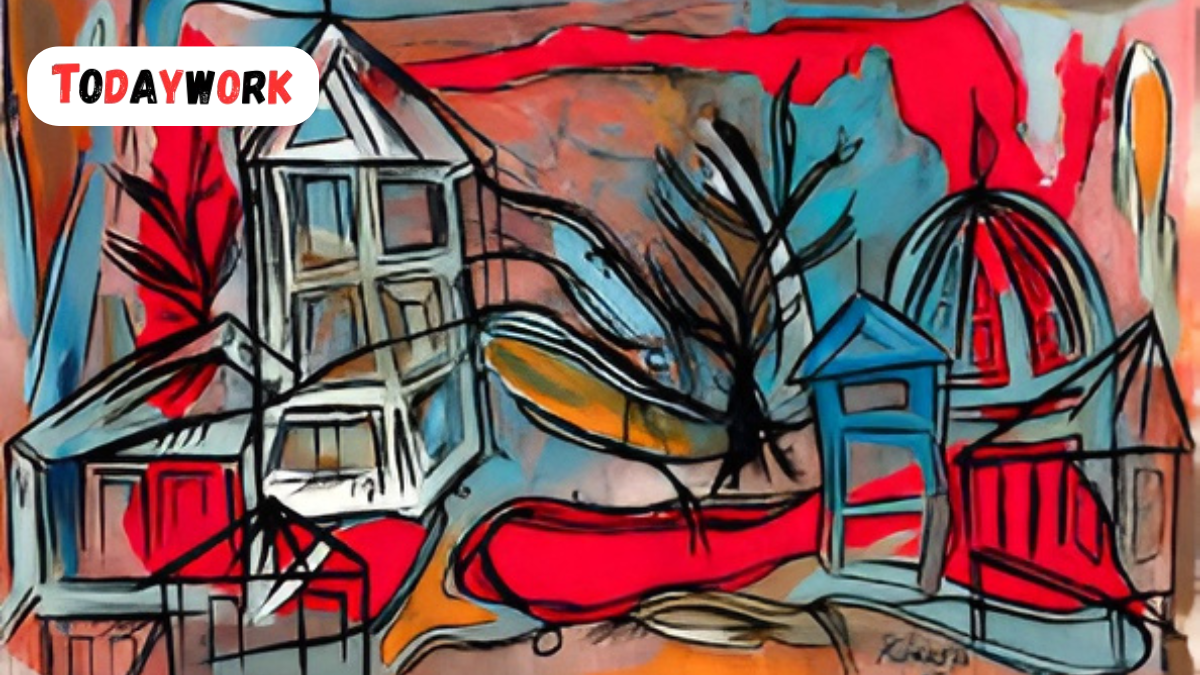
Lancelot Ribeiro moved to the United Kingdom in 1950, initially to pursue accountancy, but his passion for painting soon dominated his life. Immersing himself in London’s dynamic art scene, he developed a distinctive Expressionist style characterised by vivid colours, bold lines, and emotive forms. Ribeiro’s work represented a fusion of Indian sensibilities and Western modernist influences, reflecting a cross-cultural artistic identity.
Ribeiro was known for experimenting with materials such as polyvinyl acetate and oils, and he was among the early artists to explore modern acrylic techniques. His paintings often conveyed strong emotions, abstract forms, and surreal landscapes. Lancelot Ribeiro’s unique ability to combine narrative, symbolism, and colour experimentation placed him at the forefront of contemporary Indian Expressionism in the UK.
Major Artworks and Exhibitions
Among Lancelot Ribeiro’s most celebrated works are The Warlord (1966), King Lear (1964), and the Mother and Child series (1965). These paintings exemplify his mastery of composition, colour, and texture, and reveal a deep understanding of human emotion. Ribeiro’s landscapes and townscapes are particularly notable for their dynamic perspectives and layered colour palettes, which evoke a sense of movement and life.
Ribeiro’s works were exhibited extensively across the UK and internationally. Prestigious galleries such as Grosvenor Gallery, Ben Uri Gallery, and Sotheby’s showcased his art, helping him gain recognition among collectors and critics. As a co-founder of the Indian Artists UK collective, Lancelot Ribeiro played a pivotal role in promoting Indian art in Britain, creating opportunities for emerging artists and enhancing the visibility of South Asian artistic contributions.
Contributions and Legacy
Lancelot Ribeiro is widely regarded as a pioneer of Indian Expressionism in Britain. He introduced bold experimentation and vibrant techniques that significantly influenced the British modern art scene. Through his work, Ribeiro bridged Indian traditions with contemporary European styles, leaving a lasting impression on the cultural and artistic dialogue between the two regions.
His legacy continues to resonate through exhibitions, retrospectives, and online galleries that feature his work. Lancelot Ribeiro’s contributions to art are not limited to his paintings; his mentoring and support of fellow Indian artists in the UK ensured that his influence extended well beyond his lifetime. Today, Ribeiro remains an icon of cross-cultural creativity and modern Expressionism.
Personal Life and Interests
Outside the studio, Lancelot Ribeiro valued family, cultural exploration, and artistic freedom. He had two daughters and maintained close ties to his Goan heritage. His personal life reflected his commitment to creativity, experimentation, and a broad-minded approach to life. Ribeiro’s curiosity and openness were central to both his personality and his art.
Ribeiro also explored different media and techniques throughout his career, blending traditional and modern methods to create innovative works. His love for experimentation and learning allowed him to push boundaries and redefine Expressionist art. Lancelot Ribeiro’s personal philosophy of embracing change and seeking inspiration from diverse sources remains evident in his timeless artworks.
Where to See Lancelot Ribeiro’s Art Today
Lancelot Ribeiro’s works are on display in prominent galleries such as the Ben Uri Gallery, Grosvenor Gallery, and various private collections. Many of his paintings are also accessible online through platforms like Art UK and Artnet, allowing art enthusiasts worldwide to explore his unique style and contributions.
Collectors and admirers of modern Indian art continue to seek Lancelot Ribeiro’s works due to their historical significance and aesthetic appeal. Viewing Ribeiro’s paintings provides insight into his innovative techniques, rich colour palettes, and emotional depth. His art remains a testament to his talent and enduring influence on contemporary Expressionist painting.
Conclusion
Lancelot Ribeiro’s remarkable career as an Indian Expressionist painter bridged the cultural gap between India and Britain. His innovative use of materials, bold experimentation, and emotive compositions secured his place in modern art history. Ribeiro’s legacy continues to inspire artists, collectors, and enthusiasts, ensuring that his contributions to Expressionism are celebrated for generations to come.
Frequently Asked Questions
Who was Lancelot Ribeiro?
Lancelot Ribeiro was an Indian-born Expressionist painter known for his pioneering use of colour and experimental techniques.
What are Lancelot Ribeiro’s most famous artworks?
His notable works include The Warlord (1966), King Lear (1964), and the Mother and Child series (1965).
Which art movements influenced Lancelot Ribeiro?
Lancelot Ribeiro was influenced by Expressionism and Surrealism, blending Indian themes with modern European styles.
Where can I view Lancelot Ribeiro’s paintings in the UK?
His works are displayed at the Ben Uri Gallery, Grosvenor Gallery, and select private collections.
How did Lancelot Ribeiro contribute to the Indian Artists UK collective?
He co-founded the collective to promote Indian artists in Britain and support their visibility in the modern art scene.
What materials and techniques did Lancelot Ribeiro use?
Ribeiro experimented with polyvinyl acetate, oils, and early acrylics to create vivid textures and layered compositions.
When did Lancelot Ribeiro live and where was he born?
He was born in 1933 in Mumbai, India, and passed away in London, UK, in 2010.
Are Lancelot Ribeiro’s works valuable for collectors?
Yes, his paintings are highly sought after due to their artistic significance and historical value.
Did Lancelot Ribeiro receive international recognition during his lifetime?
Yes, he exhibited widely in the UK and internationally, gaining critical acclaim and collector attention.
What is Lancelot Ribeiro’s legacy in modern art?
His legacy lies in bridging Indian artistic traditions with British modernism and inspiring generations of Expressionist artists.
Also Read: parentpay